Family Protection Dogs Support Security Through Training and Trust
Family protection dogs can bring comfort, companionship, and an added sense of security to everyday household life. Their ability to remain attentive, respond to familiar routines, and build meaningful relationships with family members develops through consistent training and mutual trust. A well-prepared dog understands household expectations while maintaining a calm and friendly nature. With proper guidance, these dogs can become dependable companions who contribute positively to family life.
Building Security Through Consistent Training
Training helps family protection dogs understand their responsibilities and respond appropriately to different situations. Clear instructions and regular practice encourage confidence, discipline, and reliable behaviour.
Important training practices include:
- Basic obedience: Teaching commands such as sit, stay, come, and heel establishes a strong foundation for everyday control.
- Leash manners: Practising calm walking helps dogs remain attentive and manageable during outdoor activities.
- Boundary awareness: Introducing household boundaries teaches dogs where they can move and how to respect designated spaces.
- Controlled alertness: Encouraging appropriate responses to unfamiliar sounds helps develop awareness without unnecessary reactions.
- Positive reinforcement: Rewards, praise, and encouragement make learning enjoyable while strengthening desirable habits.
These activities create predictable routines and help dogs understand how to behave confidently around their families.
Developing Trust Between Dogs and Families
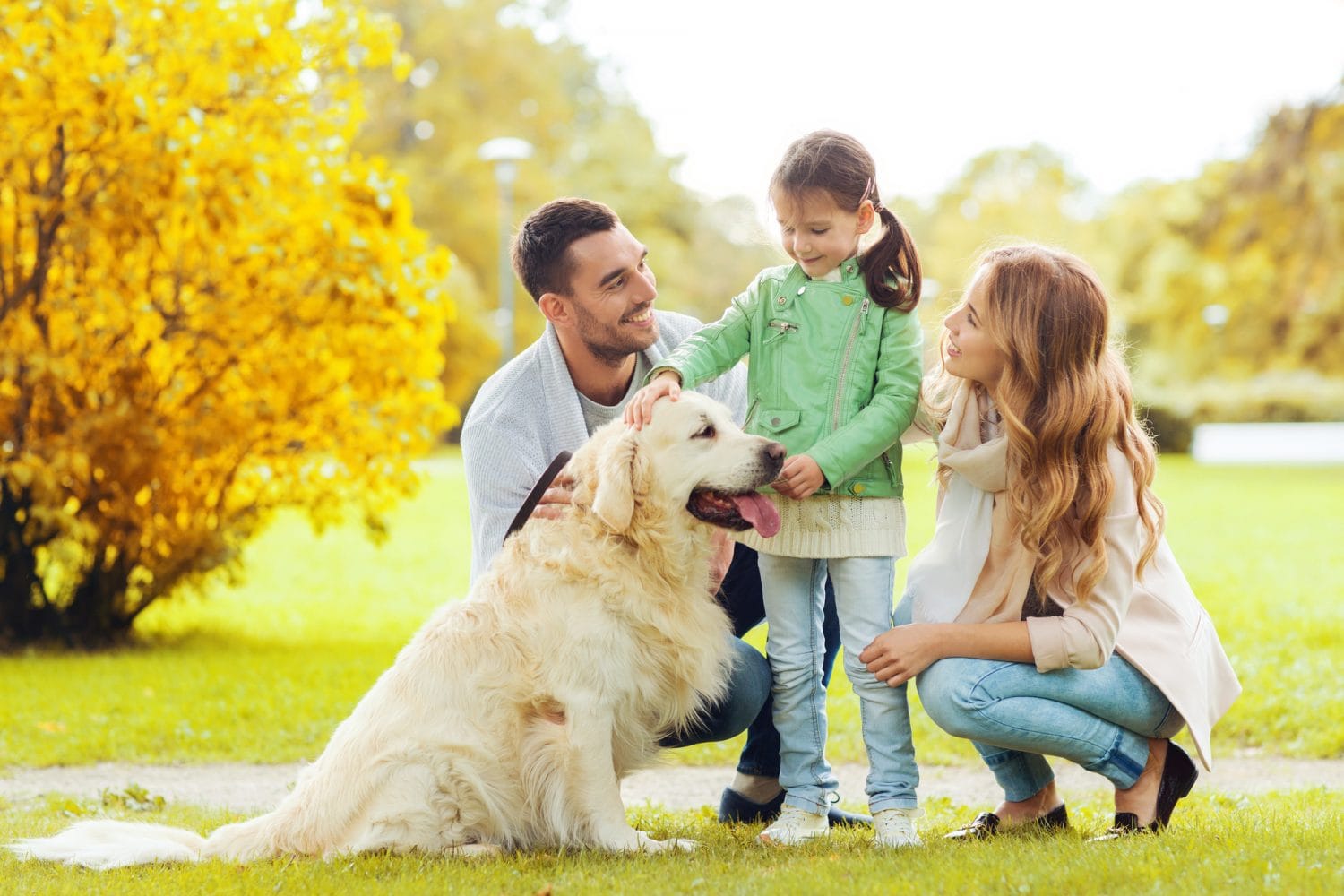
Trust plays an essential role in creating a healthy relationship between protection dogs and household members. Regular interaction helps dogs recognise familiar people, understand expectations, and feel comfortable within their surroundings.
Families can strengthen this connection through simple daily habits:
- Spend quality time playing interactive games and practising commands.
- Establish consistent feeding, exercise, and resting schedules.
- Use gentle communication and reward calm behaviour.
- Allow children to participate in supervised, age-appropriate activities.
- Provide comfortable resting areas where dogs can relax peacefully.
- Encourage every family member to follow the same basic handling rules.
When dogs receive patience and attention, they become more responsive to guidance and develop stronger household connections.
Socialisation Supports Balanced Behaviour
Positive socialisation introduces dogs to different experiences in a gradual and controlled manner. Meeting unfamiliar people, encountering everyday sounds, and experiencing new environments can improve adaptability.
Useful socialisation opportunities include:
- Introducing friendly visitors through calm, supervised interactions.
- Practising polite behaviour around other well-mannered dogs.
- Becoming familiar with household appliances and routine noises.
- Rewarding relaxed responses during new experiences.
- Maintaining positive interactions with different family members.
Professional guidance can also help families develop suitable training plans that match their dog’s temperament, maturity, and individual learning needs.
Maintaining Progress Through Everyday Care
Long-term success depends on making training and trust part of normal family routines. Balanced nutrition, regular exercise, grooming, veterinary attention, and mental stimulation all contribute to a dog’s overall wellbeing.
Families researching responsible ownership practices may choose to visit website resources that explain suitable training approaches, care requirements, and positive handling techniques. Learning about these responsibilities supports informed decisions and encourages consistent expectations.
Ultimately, family protection dogs thrive when security is supported by patience, structure, and genuine companionship. Combining responsible training with positive socialisation and everyday affection helps create a balanced relationship. With continued commitment, families can enjoy a confident, well-mannered companion while maintaining a welcoming and secure home environment.
